It happens every winter. Drivers hear a squeal or a grind from their brakes, and somewhere in their mind they file it under ‘probably just the cold’ or ‘I’ll deal with it when the weather gets better.’ Spring is here. Time to deal with it.
Some brake noise in cold, wet conditions is normal — a light surface rust on rotors can cause a brief squeal on the first few stops of the morning. But persistent squealing, grinding, or a pulsating brake pedal is not a cold-weather quirk. It’s your braking system telling you something is worn.
Here’s the progression most drivers go through when they ignore brake noise:
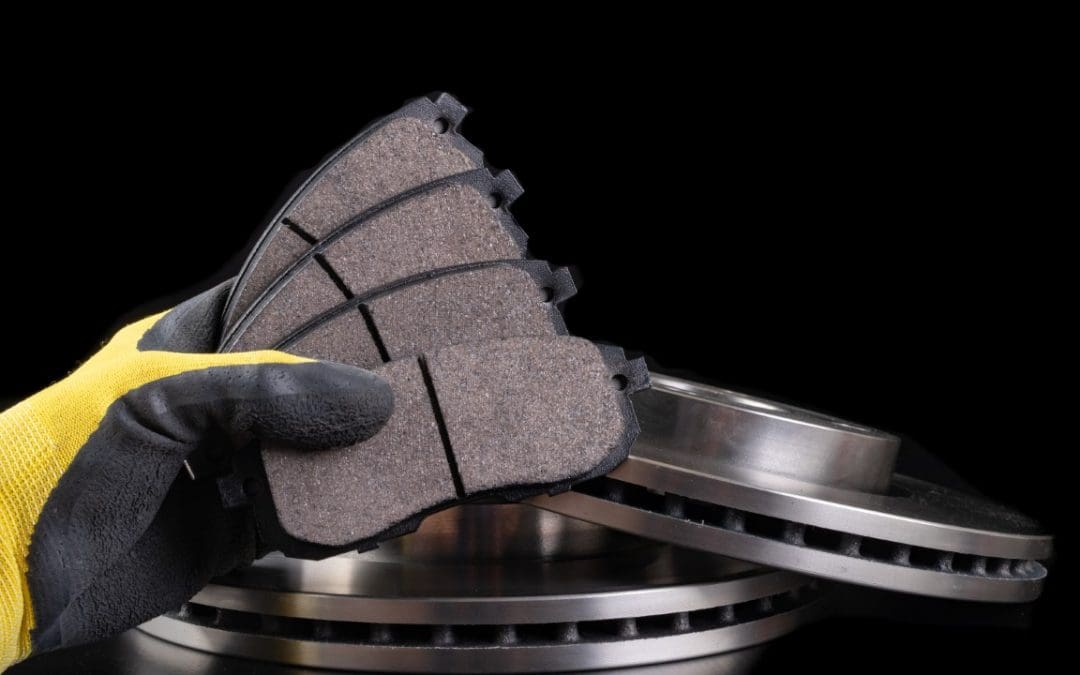
Squealing is the wear indicator — a small metal tab designed to contact the rotor when pads get thin. It’s a warning signal, not an emergency. At this point, you typically just need new pads.
Grinding means the pad material is gone and metal is contacting metal with every stop. Now you need pads and likely rotors.
A pulsating or vibrating pedal suggests rotor damage — warping or uneven wear that affects braking feel and effectiveness.
A pull to one side during braking often means a caliper issue — one side of the braking system working harder than the other.
Each stage is more expensive than the one before it. Catching brake wear at the squeal stage and addressing it is almost always the cheapest outcome.
At Quick Auto and Exhaust in Franklin, brake inspections are thorough and honest. We’ll show you what we find and give you a clear recommendation. Come in this spring.