A check engine light is always a source of anxiety for drivers, but pulling a P0420 diagnostic trouble code specifically points to a problem with your vehicle’s catalytic converter system. This code stands for “Catalyst System Efficiency Below Threshold,” meaning your car’s computer has detected that the catalytic converter is not operating at its optimal level.
Understanding exactly what triggers this code can save you from costly future repairs. Many drivers assume a P0420 code means they need an immediate, expensive catalytic converter replacement. However, the root cause can sometimes be a faulty oxygen sensor, an exhaust leak, or engine misfires that need prompt attention.
By reading this guide, you will learn the common symptoms associated with a P0420 code, the potential causes behind it, and the proper diagnostic steps required to fix the issue permanently. We will provide you with the knowledge needed to make informed decisions about your vehicle’s exhaust and emissions systems.
Common Causes of a P0420 Code
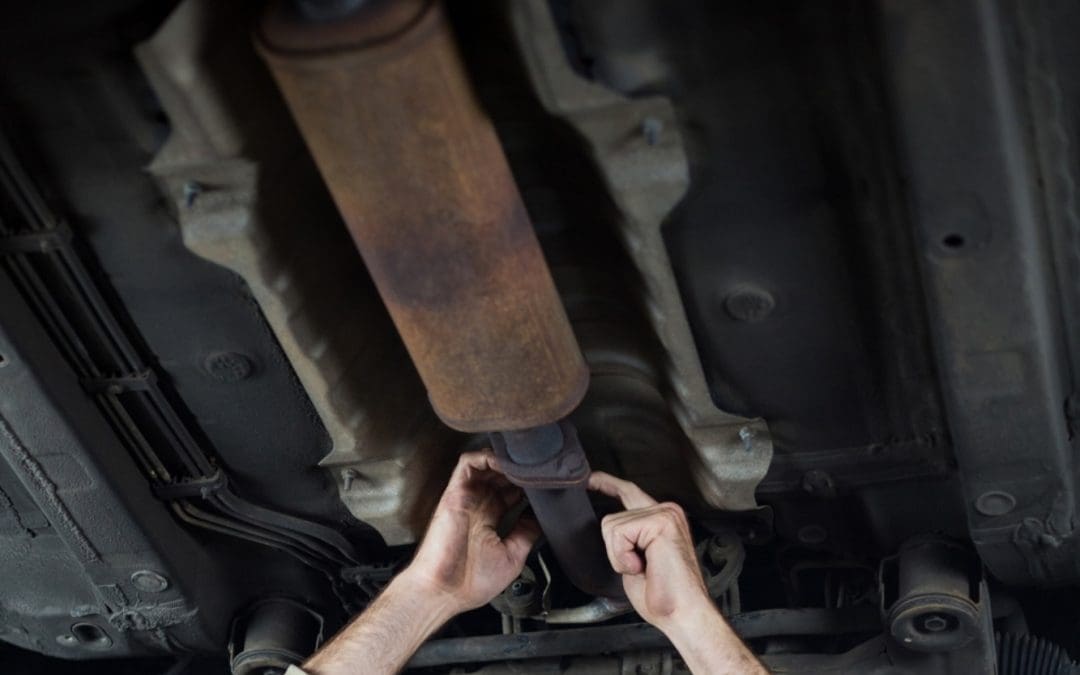
The catalytic converter is responsible for breaking down harmful emissions before they exit your tailpipe. When the system fails, it triggers the P0420 code.
A failing catalytic converter is the most frequent culprit. Over time, the internal components can break down or become clogged with carbon buildup. Another frequent issue involves faulty oxygen (O2) sensors. These sensors monitor the exhaust gases before and after the catalytic converter. If a sensor fails, it can send incorrect data to the engine computer, falsely triggering the warning light.
Exhaust leaks can also cause this specific code. A leak in the exhaust manifold or piping allows unmetered oxygen into the system, skewing the O2 sensor readings.
Symptoms You Should Never Ignore
While the check engine light is the most obvious sign, your vehicle might exhibit other subtle symptoms. You may notice a sharp decrease in fuel economy, meaning you are stopping at the gas pump much more frequently.
A lack of engine power is another major red flag. If your catalytic converter is severely clogged, exhaust gases cannot escape efficiently, choking the engine and causing sluggish acceleration. You might also smell a distinct odor resembling rotten eggs coming from the tailpipe. This indicates an excess of unburned fuel passing through the exhaust system.
Trust the Local Diagnostics Experts
Accurately diagnosing a P0420 code requires specialized equipment and deep automotive knowledge. At Quick Auto & Exhaust, we prioritize quality and service above all else. As a family-owned independent shop serving the community since 1999, we take pride in honest, transparent repairs.
Our ASE-certified technicians proudly serve drivers across Franklin, Brentwood, Nashville, and the greater Williamson County area. We use state-of-the-art computer diagnostics to pinpoint the exact cause of your emissions issues, ensuring you never pay for unnecessary parts.
Resolve Your Check Engine Light Today
Ignoring a P0420 code can lead to reduced performance and serious engine damage over time. Addressing the issue early keeps your car running safely and efficiently while protecting the environment from harmful emissions.
Don’t let a glowing dashboard light disrupt your peace of mind. Call Quick Auto & Exhaust at (615) 790-5091 or visit our Franklin, TN location to schedule a comprehensive diagnostic check with our ASE-certified experts.